Understanding Commuter Benefits in 2026: Save on Travel Costs

Anúncios
The latest developments in commuter benefits for 2026 highlight new opportunities for employees across the United States to reduce eligible transportation expenses. Updated program limits and tax advantages may help workers lower the cost of public transit, vanpooling, and qualified parking.
Employers and employees should review current contribution limits, enrollment procedures, and eligible commuting expenses. Understanding these details is essential for using the available savings effectively and avoiding missed benefits.
This report examines what changed, why the updates matter, and which rules readers should monitor next. It provides a clear overview of the financial advantages and practical steps involved in commuter benefit programs for 2026.
Anúncios
Understanding Commuter Benefits in 2026: The Core Changes
The year 2026 is poised to introduce critical updates to commuter benefits, impacting how millions of Americans manage their daily travel costs. These changes are primarily focused on enhancing accessibility and increasing the financial incentives for using pre-tax funds for commuting.
Federal guidelines for commuter benefits, specifically Section 132(f) of the Internal Revenue Code, are subject to annual adjustments for inflation. These adjustments directly influence the maximum pre-tax limits for transit and parking expenses, making it vital to stay informed about the new thresholds.
Experts anticipate that the increased limits will allow employees to allocate more pre-tax dollars towards their commute, thereby reducing their taxable income more significantly. This translates into tangible savings, directly impacting household budgets and promoting more sustainable commuting options.
Navigating the New Pre-Tax Limits and Eligibility
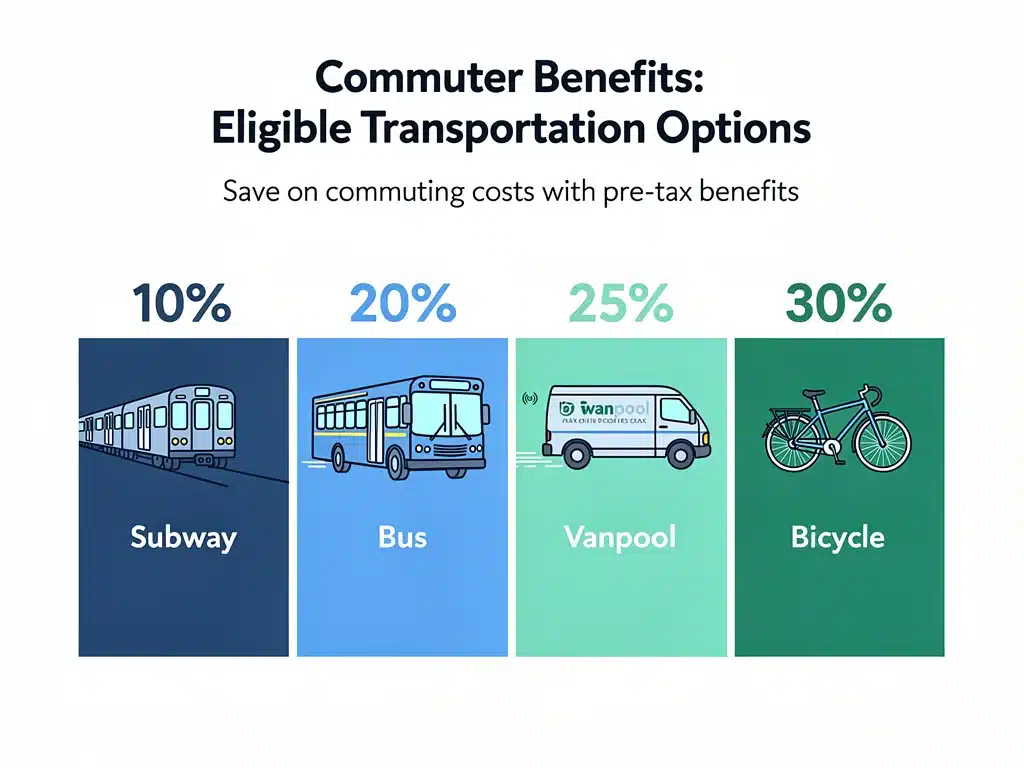
For 2026, the Internal Revenue Service (IRS) is expected to announce updated pre-tax contribution limits for qualified transportation benefits. These limits apply to expenses for mass transit passes, vanpooling, and qualified parking, offering employees a substantial tax advantage.
Historically, these limits have seen incremental increases, reflecting the rising costs of transportation and the government’s commitment to supporting commuters. The projected increases for 2026 are particularly relevant given current economic conditions and the ongoing emphasis on employee well-being.
Employers will need to adjust their benefits administration systems to reflect these new limits, ensuring that employees can elect the correct pre-tax amounts. Clear communication from employers to employees about these changes will be paramount for successful adoption and utilization.
What Qualifies as an Eligible Commuting Expense?
Understanding which expenses qualify is crucial for maximizing the benefits. Generally, eligible expenses include costs associated with public transportation, such as bus, subway, train, and ferry fares, as well as qualified parking at or near the workplace or a public transportation facility.
Vanpool costs also fall under qualified transportation benefits, provided the vanpool seats at least six adults (not including the driver) and at least 80% of the mileage is for commuting purposes with at least half of the seats occupied by employees.
- Public transit passes (bus, subway, train, ferry)
- Vanpool expenses (meeting specific criteria)
- Qualified parking at work or transit hubs
- Bicycle commuting reimbursements (subject to specific rules)
It is important to note that expenses for personal vehicle fuel, tolls, and general wear and tear are typically not eligible under these pre-tax benefit programs. Employees should consult their benefits administrator for a definitive list of eligible expenses specific to their employer’s plan.
Anúncios
Maximizing Your Savings: Strategies for Employees
Employees have a direct opportunity to significantly reduce their daily travel costs by strategically utilizing commuter benefits. The key lies in understanding the available options and making informed decisions about pre-tax contributions.
By electing to contribute the maximum allowable pre-tax amount for transit and parking, employees can reduce their taxable income, leading to lower federal, state, and in some cases, local income taxes, as well as FICA taxes.
This reduction in taxable income can result in savings of up to 40% on commuting expenses, depending on an individual’s tax bracket and state of residence. Such savings can accumulate substantially over the course of a year.
How to Optimize Your Commuter Benefit Elections
Employees should carefully assess their monthly commuting costs for transit and parking to determine the optimal pre-tax election. It is advisable to review these costs periodically, especially if commuting patterns change.
Many employers offer flexible benefit platforms that allow employees to adjust their elections throughout the year, typically on a monthly basis. This flexibility ensures that employees can align their contributions with their actual commuting needs.
- Estimate monthly transit and parking costs accurately.
- Review and adjust elections regularly to match actual expenses.
- Understand the difference between transit and parking accounts.
- Utilize employer-provided tools and resources for benefits management.
Consulting with a financial advisor or the company’s HR department can provide personalized guidance on how to best leverage these benefits for individual financial situations. Proper planning is essential for maximizing the financial advantages.
Employer Responsibilities and Benefits Administration
Employers play a crucial role in the successful implementation and administration of commuter benefit programs. Offering these benefits is not just a perk for employees but also provides tax advantages for the company itself.
By offering pre-tax commuter benefits, employers can save on payroll taxes (FICA taxes) since the pre-tax contributions reduce the overall taxable wages. This creates a win-win situation for both the employer and the employee.
Effective administration requires robust systems for managing employee elections, distributing funds, and ensuring compliance with IRS regulations. Many companies partner with third-party administrators to streamline this process.
Ensuring Compliance and Smooth Operations
Compliance with federal regulations, particularly those outlined in Section 132(f) of the Internal Revenue Code, is non-negotiable for employers. Regular audits and reviews of the benefits program help ensure adherence to all legal requirements.
Clear communication to employees about how the program works, including eligibility, enrollment periods, and claims procedures, is vital. This proactive approach minimizes confusion and maximizes employee participation.
- Stay updated on IRS guidelines and annual limit adjustments.
- Implement efficient systems for election and fund distribution.
- Provide comprehensive employee education and support.
- Consider third-party administration for enhanced efficiency and compliance.
Investing in user-friendly benefits platforms and providing dedicated support channels can significantly enhance the employee experience and the overall success of the commuter benefits programrequires diligent oversight.
The Broader Impact: Sustainability and Employee Well-being
Beyond the immediate financial advantages, commuter benefits contribute to broader organizational and societal goals, including environmental sustainability and enhanced employee well-being. These programs encourage the use of public transit and ride-sharing.
By incentivizing greener commuting options, companies can reduce their carbon footprint and contribute to cleaner air in urban areas. This aligns with corporate social responsibility initiatives and appeals to environmentally conscious employees.
Furthermore, reducing the financial burden of commuting can significantly decrease employee stress and improve overall job satisfaction. A less stressful commute often translates into higher productivity and better employee retention rates.
Promoting Sustainable Commuting Practices
Commuter benefits programs actively promote a shift away from single-occupancy vehicle use, which is a major contributor to traffic congestion and air pollution. Encouraging public transit and carpooling has tangible environmental benefits.
Many cities are investing in expanded public transportation networks, making it easier for employees to choose these options. Commuter benefits amplify the impact of these investments by making public transit more financially attractive.
- Reduce traffic congestion and commute times.
- Lower carbon emissions and improve air quality.
- Support public transportation infrastructure.
- Enhance corporate image as an environmentally responsible employer.
The long-term benefits of promoting sustainable commuting extend beyond individual companies, contributing to healthier communities and more resilient urban environments. Commuter benefits is a key component of this strategy.
Anticipated Changes and Future Outlook for Commuter Benefits

As 2026 approaches, stakeholders are closely monitoring legislative discussions that could further shape the future of commuter benefits. While the core framework remains stable, minor legislative tweaks are always possible.
There is ongoing advocacy for expanding the scope of eligible expenses to include more flexible commuting options, such as micro-mobility solutions like electric scooters and bike-sharing programs. These discussions reflect evolving urban transportation trends.
The push for greater integration of technology in benefits administration also continues, aiming to make it even easier for employees to manage their commuter accounts and for employers to administer the programs efficiently.
Potential Legislative Developments and Expansions
While definitive legislative changes for 2026 have not been enacted, proposals often circulate in Congress to enhance or expand employee benefits. These proposals sometimes include provisions for increased flexibility or new categories of eligible expenses.
Any new legislation would likely aim to further incentivize sustainable commuting and support employees facing rising transportation costs. Employers and employees should stay informed about these potential developments through reliable news sources and benefits advisories.
- Monitoring potential changes in eligible expense categories.
- Observing legislative initiatives for increased benefit flexibility.
- Tracking technological advancements in benefits administration.
- Staying informed through official IRS announcements and industry updates.
The future outlook for commuter benefits remains positive, with a clear trend towards greater employee support and environmental consciousness. Commuter Benefits will be an ongoing process of adaptation and optimization.
| Key Aspect | Brief Description |
|---|---|
| Pre-Tax Limits | Expected increases in IRS-mandated maximums for transit and parking. |
| Eligible Expenses | Public transit (bus, train, subway) and qualified parking; no personal vehicle fuel. |
| Employee Savings | Up to 40% reduction in commuting costs through lower taxable income. |
| Employer Benefits | Payroll tax savings, improved employee retention, and sustainability. |
Frequently Asked Questions About Commuter Benefits in 2026
The primary changes for 2026 involve anticipated increases in the pre-tax contribution limits for qualified transit and parking expenses, adjusted for inflation by the IRS. These adjustments aim to provide greater tax savings for employees and encourage participation in these programs.
Generally, any employee whose employer offers a qualified transportation benefit program is eligible. These benefits are typically available to employees who incur expenses for commuting via public transit, vanpool, or qualified parking, regardless of their income level.
Employees can potentially save up to 40% on their daily commuting costs. This saving comes from reducing their taxable income by contributing pre-tax dollars to cover eligible transit and parking expenses, thereby lowering federal, state, and FICA taxes.
Bicycle commuting reimbursements have specific rules and can be covered, although they operate differently from transit and parking benefits. It is crucial to check with your employer’s specific plan details for the exact coverage and limitations on bicycle-related expenses for 2026.
Employers should monitor IRS announcements for updated limits, adjust their benefits administration systems, and communicate clearly with employees about the new rules and opportunities. Partnering with a benefits administrator can ensure smooth compliance and implementation for 2026.
Looking Ahead: The Evolving Landscape of Commuter Benefits
The evolving landscape of commuter benefits for 2026 underscores a continued commitment to supporting employees and fostering sustainable practices. The anticipated increases in pre-tax limits offer a tangible financial advantage, reinforcing the value of these programs.
As urban environments and work models continue to adapt, the flexibility and scope of commuter benefits will likely expand further. Stakeholders should remain vigilant for new legislative proposals and technological advancements that could enhance these offerings.
Ultimately, commuter Benefits is not just about immediate financial relief; it’s about participating in a broader movement towards more efficient, equitable, and environmentally conscious commuting solutions for all.