PTO Strategies 2026: Gain 10 Extra Vacation Days

Anúncios
By strategically aligning paid leave with federal holidays and surrounding weekends, employees can double their time away from the office.
Paid Time Off (PTO) Strategies for 2026 maps out key calendar “hacks,” optimal leave windows, and planning tactics to help workers maximize their rest without burning through extra leave balances.
Understanding the Evolving PTO Landscape for 2026
The current state of Paid Time Off (PTO) policies reflects a dynamic shift in employer priorities, moving towards more flexible and employee-centric benefits.
Anúncios
Companies are increasingly recognizing the link between adequate rest and overall productivity, leading to innovative approaches in PTO allocation.
New regulations and evolving workplace norms are also playing a crucial role in shaping how PTO is accrued, managed, and utilized. Employees need to be aware of these changes to effectively navigate their company’s policies and optimize their time off.
As we look ahead to 2026, anticipating these shifts and understanding the various PTO models available will be paramount for anyone aiming to maximize their vacation days.
Proactive engagement with HR policies and benefit structures is key to successful PTO Strategies for 2026.
Strategic Accumulation: Maximizing Your PTO Accrual Rate
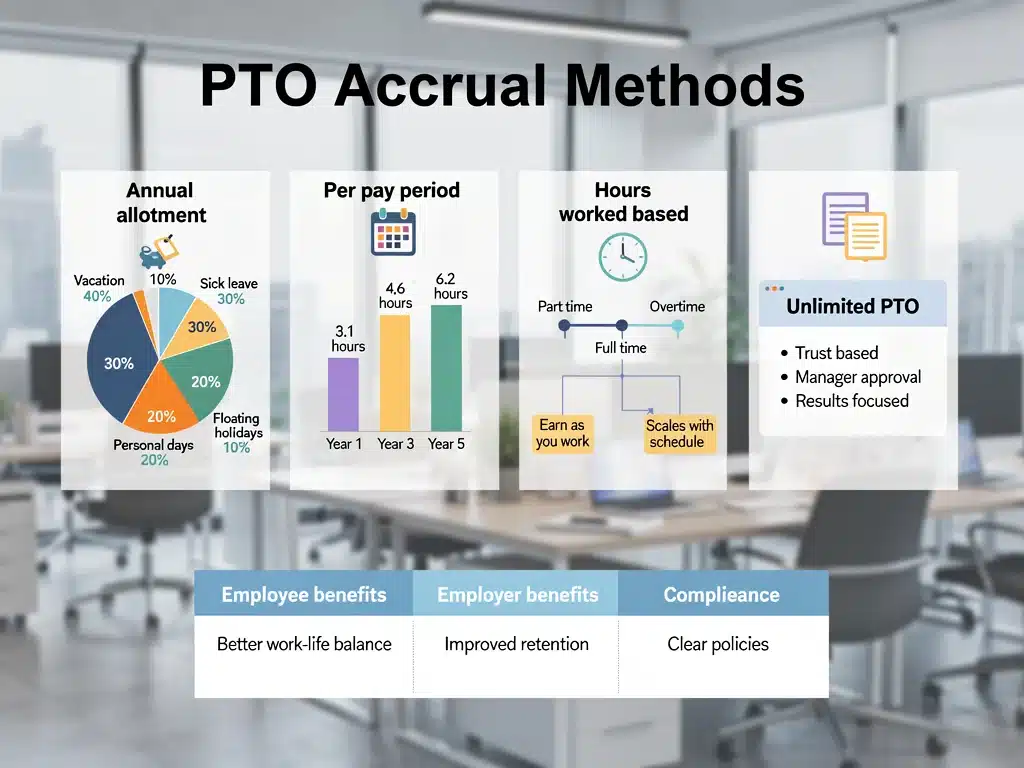
One of the most direct pathways to gaining extra vacation days involves understanding and optimizing your PTO accrual rate. Many companies offer different accrual rates based on tenure, role, or even negotiation.
Employees should review their company’s PTO policy thoroughly to identify any opportunities for accelerated accrual.
This might include understanding how sick leave, personal days, and vacation days are categorized and if they can be converted or combined.
Proactive discussions with HR or management about increasing your accrual rate, especially if you’ve taken on more responsibilities or achieved significant milestones, can be a game-changer for your PTO Strategies for 2026.
Leveraging Rollover Policies and Buy-Back Options
Many organizations allow employees to roll over a certain number of unused PTO days into the next year. Understanding these limits is critical to avoid forfeiting valuable time off.
Some companies also offer PTO buy-back programs, where employees can sell back unused days for cash.
While this doesn’t add vacation time, it provides financial flexibility that can sometimes fund other leisure activities, indirectly supporting overall well-being.
Anúncios
Knowing your company’s specific rules regarding rollover and buy-back options is a fundamental component of effective PTO Strategies for 2026. This knowledge prevents lost opportunities and ensures maximum benefit from your earned time.
- Review your employee handbook for detailed rollover limits and expiration dates.
- Inquire about any PTO buy-back programs and their eligibility requirements.
- Plan your vacation schedule to align with rollover cut-offs, ensuring no days are lost.
Strategic Scheduling: Aligning PTO with Holidays and Company Closures
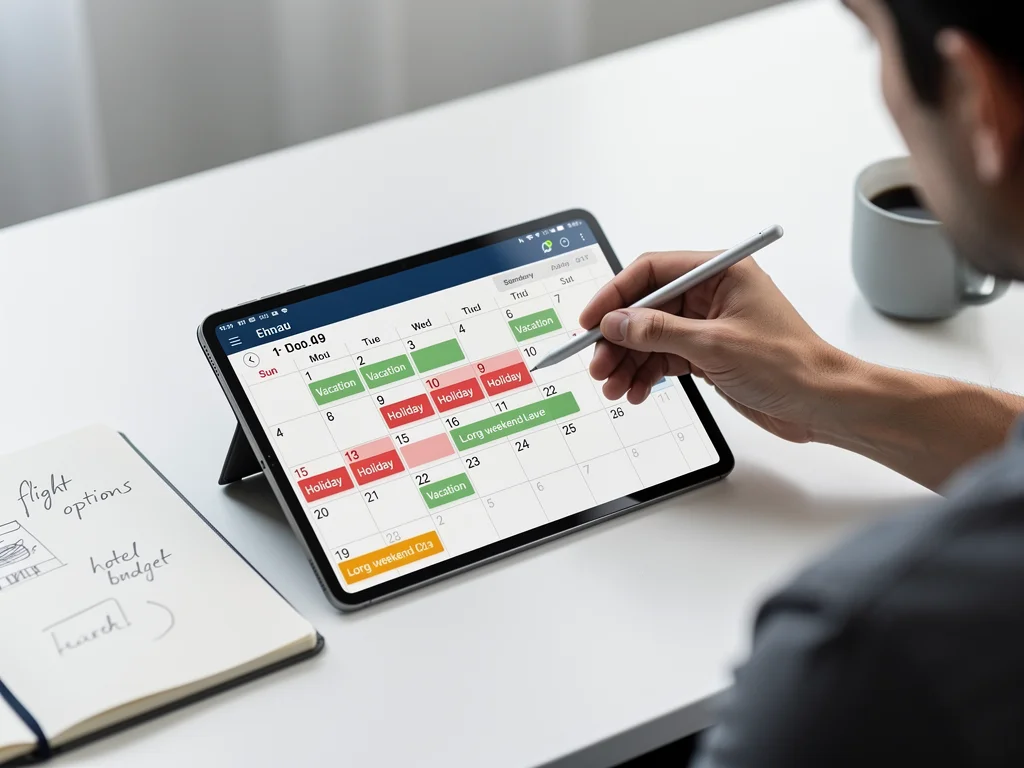
One of the most effective ways to extend your time off without using excessive PTO days is by strategically aligning your requests with national holidays and company-wide closures.
This method leverages existing non-working days to create longer breaks.
By taking PTO days around federal holidays, you can often turn a single day off into a three or four-day weekend, or a few days off into a week-long vacation. This maximizes the impact of each PTO day utilized.
Careful planning at the beginning of the year, mapping out all observed holidays and potential company closures, is a cornerstone of successful PTO Strategies for 2026. This foresight allows for early booking and coordination.
Maximizing Holiday Weekends and Company Shutdowns
Examine the 2026 calendar for all federal holidays, such as Memorial Day, Independence Day, Labor Day, Thanksgiving, and Christmas. By taking just a few PTO days adjacent to these holidays, you can significantly extend your time away from work.
Some companies also implement mandatory shutdown periods, often around the end of the year.
If your company has such policies, these periods are prime opportunities to combine with your PTO for an extended break, as you would not be working anyway.
These strategic scheduling tactics are simple yet incredibly powerful for enhancing your total vacation time without depleting your PTO bank. They are essential elements of robust PTO Strategies for 2026.
- Identify all federal and company holidays for 2026 at the start of the year.
- Coordinate with colleagues to ensure coverage when planning holiday-adjacent PTO.
- Consider combining PTO with any company-mandated shutdowns for longer breaks.
Negotiating for More: Making a Case for Additional PTO
Many employees are unaware that PTO, like salary, can often be a negotiable part of their compensation package. Whether you are starting a new role or seeking to adjust your current benefits, there’s often room for discussion.
Preparing a strong case based on your value to the company, industry standards, and personal circumstances can lead to favorable outcomes. This requires research and a confident approach.
Successful negotiation for additional PTO contributes directly to achieving your goal of gaining an extra 10 days of vacation, making it a vital component of advanced PTO Strategies for 2026.
Presenting a Strong Argument for Increased Vacation Time
When negotiating, focus on how increased time off can benefit both you and the company. Highlight improved productivity, reduced burnout, and enhanced employee retention as potential outcomes of a more generous PTO policy.
Research industry benchmarks for PTO in similar roles and companies to support your request. Presenting data on what competitors offer can strengthen your position and demonstrate a reasonable expectation.
Frame your request as a mutual benefit, emphasizing how a refreshed and re-energized employee contributes more effectively to organizational goals. This persuasive approach is key to negotiating better PTO Strategies for 2026.
Utilizing Unpaid Leave and Sabbaticals Strategically
While the focus is on paid time off, sometimes a blend of PTO and unpaid leave can unlock even longer breaks, especially for significant life events or extended travel. Understanding your company’s policies on unpaid leave is crucial.
Some organizations offer formal sabbatical programs for employees who reach certain tenure milestones, providing an extended period of leave, often paid or partially paid. Exploring these options can be transformative.
Integrating unpaid leave or considering a sabbatical into your overall plan can provide the flexibility needed to truly gain substantial extra time off, making it a valuable, albeit less conventional, part of PTO Strategies for 2026.
Adopting Flexible Work Arrangements to Supplement PTO
The rise of flexible work arrangements, such as remote work, compressed workweeks, and flextime, can indirectly contribute to feeling like you have more time off. These arrangements offer greater control over your schedule.
For instance, a compressed workweek might allow you to work four 10-hour days, giving you a three-day weekend every week without using any PTO. This significantly enhances personal time.
Exploring and advocating for these flexible options within your workplace can be a powerful complement to traditional PTO Strategies for 2026, blurring the lines between work and personal life in a positive way.
The Impact of Remote Work on Perceived Time Off
Remote work eliminates commuting time, which can translate into hours saved each week. These saved hours can be reallocated to personal activities, making it feel like you have more free time, even without taking formal PTO.
The ability to work from different locations can also transform a regular work week into a working vacation, allowing you to combine work responsibilities with travel or leisure in a new environment.
By reducing daily stressors and offering greater autonomy, flexible work arrangements contribute significantly to overall well-being and a sense of having more personal time, bolstering your PTO Strategies for 2026.
The Role of Company Culture in PTO Utilization
Company culture plays a significant, often overlooked, role in how employees perceive and utilize their PTO. A culture that genuinely encourages taking time off fosters healthier work habits and reduces burnout.
Leaders who model good behavior by taking their own vacations set a positive example for their teams. This creates an environment where employees feel comfortable and supported in using their earned time.
Understanding and, where possible, influencing your company’s culture around PTO is crucial for maximizing its benefits and ensuring your PTO Strategies for 2026 are fully realized.
Advocating for a PTO-Positive Workplace
If your workplace culture discourages taking PTO, consider advocating for change. This could involve sharing research on the benefits of time off for productivity and employee well-being, or collaborating with HR.
Highlighting the positive impact of regular breaks on creativity, morale, and retention can encourage management to foster a more PTO-positive environment. This advocacy contributes to better PTO Strategies for 2026 for everyone.
- Share data on the benefits of regular time off with management and colleagues.
- Encourage leaders to model good PTO utilization.
- Participate in discussions about improving work-life balance initiatives within your organization.
Planning for Success: A 2026 PTO Action Plan
Achieving an extra 10 days of vacation in 2026 requires a proactive and well-thought-out plan. It begins with a thorough review of your current PTO balance and your company’s specific policies.
Once you understand your accrual rates, rollover limits, and holiday schedules, you can start mapping out potential vacation periods. This involves looking at the calendar and identifying strategic opportunities.
Creating a detailed PTO action plan for 2026 will allow you to systematically approach your goal, ensuring you don’t miss any opportunities to maximize your time off. This forward-thinking approach is fundamental to effective PTO Strategies for 2026.
Key Steps to Implement Your PTO Plan
Start by outlining all known holidays and potential company closures for 2026. Then, identify where you can strategically place your PTO requests to create extended breaks with minimal days used.
Consider discussing your plans with your manager early in the year to ensure alignment and minimize scheduling conflicts. Early communication often leads to better outcomes and smoother approvals.
Regularly review your PTO balance and adjust your plan as needed throughout the year, staying flexible to unforeseen opportunities or changes. This iterative process ensures your PTO Strategies for 2026 remain effective.
| Key Strategy | Brief Description |
|---|---|
| Optimize Accrual | Understand and potentially negotiate higher PTO earning rates. |
| Strategic Scheduling | Align PTO with holidays and company closures for longer breaks. |
| Negotiate More PTO | Present a compelling case for increased vacation time. |
| Leverage Flexibility | Utilize remote work and flextime to supplement time off. |
Frequently Asked Questions About PTO Strategies for 2026
Your company’s PTO accrual rates are typically detailed in your employee handbook, HR portal, or by contacting your Human Resources department directly. It’s crucial to review this information regularly, as policies can change, impacting your PTO Strategies for 2026. Understanding these details is the first step in effective vacation planning.
Yes, performance reviews can be an opportune time to negotiate for more PTO. Prepare your case by highlighting your contributions, market value, and the benefits of increased time off for your productivity. Frame it as an investment in your well-being and continued high performance, aligning with strong PTO Strategies for 2026.
Federal holidays that typically fall on Mondays or Fridays, such as Memorial Day, Labor Day, and Thanksgiving, are ideal for extending breaks. By taking just one or two PTO days, you can create a four-day or even longer weekend. This is a cornerstone of intelligent PTO Strategies for 2026 for maximizing leisure time.
Absolutely. Flexible work arrangements, like remote work or compressed workweeks, reduce commuting time and offer greater autonomy, which can feel like extra time off. While not formal PTO, they significantly contribute to work-life balance and complement your overall PTO Strategies for 2026 by providing more personal time outside traditional vacation days.
It is generally advisable to plan and request your PTO as early as possible, ideally at the beginning of 2026, especially for popular periods like summer or holidays. Early planning allows for better coordination with your team and increases the likelihood of approval, making your PTO Strategies for 2026 more effective.
Looking Ahead: The Future of Maximizing Your Time Off
The pursuit of effective PTO Strategies for 2026 is more than just about taking days off; it’s about optimizing well-being and productivity in a constantly evolving work environment.
The insights presented here provide a roadmap for employees to proactively manage their time and achieve a better work-life integration.
To learn how organizations design modern paid leave frameworks and align time-off options with workforce needs, check out Paycom’s guide on PTO policies and best practices.
As companies continue to refine their benefits packages, staying informed about policy changes and being prepared to advocate for your needs will be paramount.
The trend towards greater flexibility and employee empowerment is likely to continue, offering even more avenues for maximizing personal time.
By implementing these strategic approaches, individuals are well-positioned to not only gain an extra 10 days of vacation this year but also to foster a more sustainable and fulfilling professional life.
The future of work-life balance is in proactive planning and informed decision-making.