Employee Wellness Programs 2026: 20% Stress Reduction

Anúncios
Driven by shifting workplace demands and rising healthcare costs, Employee Wellness Programs in 2026 are undergoing a rapid evolution toward personalized, high-impact care.
This brief news update breaks down what changed in corporate wellness strategies, why it matters for HR leaders and employees, and what key developments to watch next in the U.S.
The Evolving Landscape of Employee Wellness Programs
The focus on employee well-being has intensified significantly, moving beyond basic health check-ups to comprehensive strategies.
Anúncios
Companies are recognizing that investing in the holistic health of their workforce translates directly into business success and resilience.
This shift is driven by a confluence of factors, including rising healthcare costs, increased awareness of mental health challenges, and a competitive talent market.
Organizations are now seeking innovative ways to support their employees both inside and outside the workplace.
As 2026 approaches, the strategic importance of robust Employee Wellness Programs is becoming undeniable.
These initiatives are no longer just a perk but a critical component of a sustainable business model, directly impacting an organization’s bottom line and its ability to attract and retain top talent.
Benefit 1: Significant Reductions in Healthcare Costs
One of the most compelling benefits emerging from advanced Employee Wellness Programs is the demonstrable reduction in employer healthcare expenditures.
Proactive health management and preventative care initiatives directly mitigate the incidence and severity of chronic conditions, which are major cost drivers.
According to recent reports from the National Business Group on Health, companies with well-implemented wellness programs see an average decrease of 15-20% in healthcare costs over a three-to-five-year period.
This translates into substantial savings that can be reinvested into other critical business areas or employee benefits.
Furthermore, these programs reduce the frequency of sick days and short-term disability claims.
Anúncios
By promoting healthier lifestyles, workers are less likely to require extensive medical interventions, thereby lowering insurance premiums and out-of-pocket expenses for both employees and employers.
Preventative Care and Early Intervention
Many effective Employee Wellness Programs emphasize preventative health screenings, vaccinations, and early intervention strategies for potential health issues.
These measures are designed to catch problems before they escalate, often preventing the need for more costly treatments down the line.
For example, programs offering on-site flu shots or biometric screenings can significantly reduce the spread of illness and identify risk factors for diseases such as diabetes or heart conditions.
Early detection allows for lifestyle changes or treatments that are far less expensive and disruptive than managing advanced illnesses.
- Reduced chronic disease rates through lifestyle coaching.
- Lower emergency room visits due to proactive health management.
- Decreased prescription drug costs through better health outcomes.
Impact on Insurance Premiums and Claims
Insurance providers often offer incentives or lower premiums to companies that demonstrate a commitment to employee health through comprehensive wellness programs.
A healthier workforce presents a lower risk profile, directly benefiting the employer’s insurance rates.
The reduction in overall claims, coupled with a decrease in high-cost medical events, creates a virtuous cycle.
Companies are rewarded for their preventative efforts, making Employee Wellness Programs a financially sound investment rather than just an expenditure.
Benefit 2: Enhanced Employee Productivity and Performance
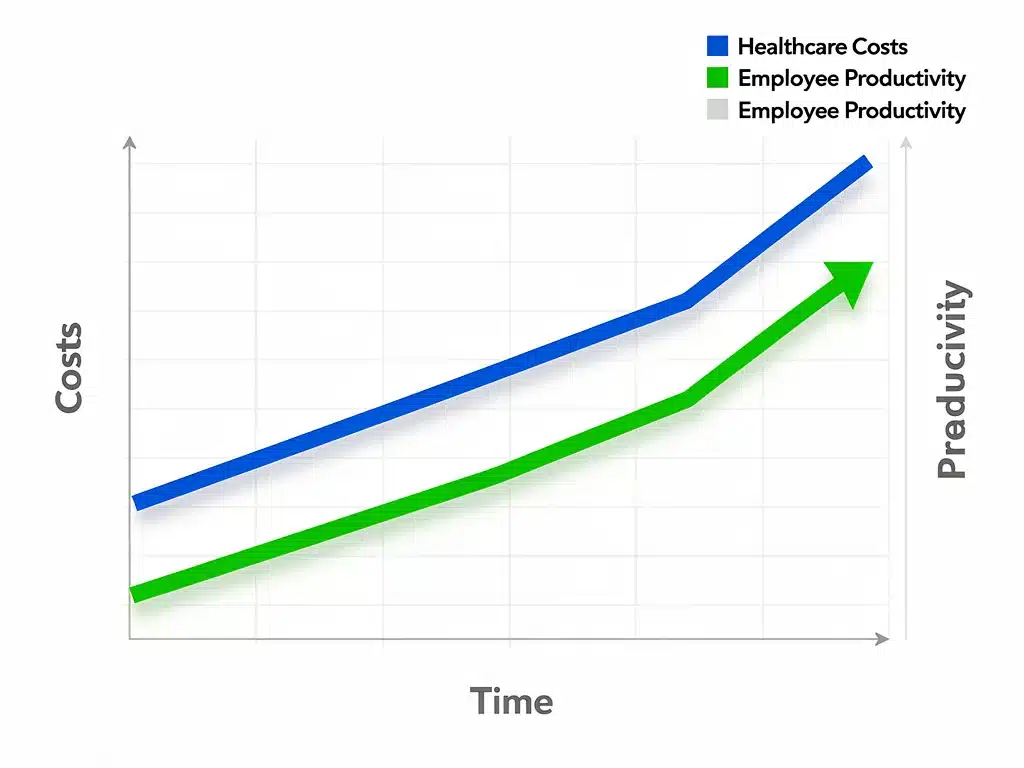
Beyond cost savings, a crucial benefit of well-structured Employee Wellness Programs is the marked improvement in employee productivity and overall performance.
Healthy employees are more focused, energetic, and less prone to burnout, directly contributing to higher output and better work quality.
Studies from the American Psychological Association indicate that employees participating in wellness initiatives report higher levels of job satisfaction and engagement.
This positive sentiment translates into increased motivation and a stronger commitment to organizational goals, driving performance across all departments.
The initiatives within these programs often target physical activity, nutrition, and stress management, all of which directly influence an individual’s capacity to perform optimally.
A workforce that is physically and mentally fit is inherently more productive and resilient in the face of workplace demands.
Addressing Presenteeism and Absenteeism
Employee Wellness Programs directly tackle the pervasive problems of absenteeism (employees missing work) and presenteeism (employees being at work but unproductive due to illness or distraction).
By promoting better health, these programs reduce sick days and enhance employees’ ability to concentrate and perform their duties effectively.
Mental health support, for instance, can significantly reduce stress and anxiety, which are common causes of presenteeism.
When employees feel supported and have resources to manage their mental well-being, their focus and output improve dramatically.
- Decreased sick leave thanks to improved overall health.
- Higher concentration and focus during work hours.
- Increased ability to handle job-related stress and pressure.
Boosting Cognitive Function and Creativity
Physical activity and healthy eating, key components of many Employee Wellness Programs, are directly linked to improved cognitive function, memory, and creative problem-solving.
Employees who regularly engage in these activities often demonstrate enhanced mental agility.
For example, offering on-site fitness classes or promoting healthy eating options in the cafeteria can lead to a more mentally alert workforce.
This translates into innovative solutions, better decision-making, and a more dynamic work environment that fosters growth and development.
Benefit 3: Enhanced Employee Morale and Retention
The third high-impact benefit of comprehensive Employee Wellness Programs is the significant boost in employee morale and, consequently, retention rates.
When employees feel valued and supported by their employer, their loyalty and commitment to the organization naturally increase.
A positive workplace culture, often cultivated through robust wellness initiatives, creates an environment where employees feel appreciated and understood.
This sense of belonging and care contributes directly to higher job satisfaction and a reduced desire to seek opportunities elsewhere.
In today’s competitive labor market, companies that prioritize employee well-being stand out as desirable employers.
Such programs become a powerful tool for attracting top talent and retaining experienced professionals, reducing the high costs associated with recruitment and training new staff.
Fostering a Positive Workplace Culture
Employee Wellness Programs are instrumental in cultivating a positive and supportive workplace culture.
Initiatives that promote teamwork, stress reduction, and healthy competition can foster camaraderie and a sense of shared purpose among employees.
When employees feel that their employer genuinely cares about their well-being, it builds trust and strengthens the employer-employee relationship.
This positive atmosphere makes the workplace a more enjoyable and fulfilling place to be, which in turn reduces turnover.
- Increased job satisfaction and loyalty.
- Stronger team cohesion and collaboration.
- Reduced stress and improved work-life balance perceptions.
Attracting and Retaining Top Talent
In 2026, the availability of comprehensive Employee Wellness Programs will be a significant differentiator for job seekers.
Talented individuals are increasingly looking beyond salary to find employers who offer a supportive and health-conscious work environment.
Companies that can showcase their commitment to employee well-being through innovative programs will have a distinct advantage in the war for talent.
This not only helps in attracting highly qualified candidates but also in retaining them for the long term, thereby preserving institutional knowledge and expertise.

Implementing Effective Employee Wellness Programs
To truly claim these high-impact benefits, organizations must implement Employee Wellness Programs strategically, ensuring they are tailored to the specific needs and demographics of their workforce.
A one-size-fits-all approach often yields suboptimal results, highlighting the need for customization and flexibility.
Successful programs typically involve a blend of physical, mental, and financial wellness components, recognizing that employee well-being is multifaceted.
Engagement is key, meaning programs must be accessible, appealing, and actively promoted to ensure widespread participation.
Regular evaluation and feedback mechanisms are also critical for the ongoing success of Employee Wellness Programs.
Companies must be prepared to adapt and evolve their offerings based on employee input and measurable outcomes, ensuring alignment with both employee needs and organizational goals.
Customization and Personalization
The most effective Employee Wellness Programs are those that offer a degree of customization and personalization.
Employees have diverse needs and preferences, and a program that acknowledges this variety is more likely to achieve higher engagement rates.
This could involve offering a menu of options, from gym memberships and yoga classes to mental health counseling and financial planning workshops.
Providing choices empowers employees to select the wellness initiatives that are most relevant and beneficial to their individual circumstances.
Measurement and Continuous Improvement
For Employee Wellness Programs to deliver consistent high-impact benefits, they must be rigorously measured and continuously improved.
Establishing clear metrics for success, such as participation rates, health outcomes, and cost savings, is paramount.
Regular surveys, focus groups, and data analysis can provide invaluable insights into the effectiveness of current offerings and identify areas for enhancement.
This iterative process ensures that programs remain relevant and continue to provide maximum value to both employees and the organization.
Challenges and Considerations for 2026
While the benefits of Employee Wellness Programs are clear, organizations must also navigate potential challenges in their implementation.
These include securing adequate funding, addressing issues of employee privacy, and ensuring equitable access to all wellness resources across diverse employee populations.
Another significant consideration for 2026 is the integration of technology.
Digital wellness platforms, wearable devices, and AI-driven coaching are becoming increasingly prevalent, offering new opportunities for engagement but also posing questions regarding data security and ethical use.
Ultimately, the success of Employee Wellness Programs depends on strong leadership commitment and a culture that genuinely prioritizes employee well-being.
Without these foundational elements, even the most well-designed programs may struggle to achieve their full potential and deliver the anticipated high-impact benefits.
Overcoming Implementation Hurdles
Implementing effective Employee Wellness Programs can present various hurdles, from initial budgetary constraints to ensuring broad employee adoption.
Overcoming these requires a strategic approach, often starting with pilot programs to demonstrate value and build internal champions.
Clear communication about the benefits and goals of the programs is essential to foster employee buy-in.
Addressing concerns about time commitment, privacy, and relevance can help increase participation and ensure the programs are perceived as valuable additions rather than obligations.
Leveraging Technology for Greater Reach
The role of technology in enhancing Employee Wellness Programs cannot be overstated.
Digital platforms offer scalable solutions for delivering wellness content, tracking progress, and fostering community, especially for remote or hybrid workforces.
However, companies must carefully select technologies that are user-friendly, secure, and align with their overall wellness objectives.
The goal is to augment, not replace, human connection and support, ensuring technology serves as an enabler for better well-being outcomes.
| Key Benefit | Description |
|---|---|
| Reduced Healthcare Costs | Proactive health management and preventative care lead to lower medical expenses and insurance premiums for employers. |
| Enhanced Productivity | Healthier employees exhibit greater focus, energy, and reduced absenteeism and presenteeism, boosting overall output. |
| Improved Morale & Retention | Valued employees are more satisfied, loyal, and less likely to leave, fostering a positive workplace culture and aiding talent acquisition. |
| Strategic Implementation | Customization, technological integration, and continuous evaluation are crucial for maximizing the impact of wellness initiatives. |
Frequently Asked Questions About Employee Wellness Programs
Employee Wellness Programs are employer-sponsored initiatives designed to support and improve the overall health and well-being of employees. These programs can encompass physical, mental, and financial health, aiming to foster a healthier, more productive, and engaged workforce through various activities and resources.
Wellness programs reduce healthcare costs by promoting preventative care, early detection of health issues, and healthier lifestyle choices. This leads to fewer chronic conditions, less need for expensive medical treatments, and ultimately results in lower insurance claims and premiums for the employer.
Yes, effective wellness programs significantly boost productivity. Healthy employees are more focused, energetic, and less prone to stress and burnout. By addressing physical and mental well-being, these programs reduce absenteeism and presenteeism, leading to higher quality work and increased output.
Morale is central to the success of wellness programs. When employees perceive that their employer cares about their well-being, it fosters a sense of value and loyalty. This positive sentiment enhances job satisfaction, strengthens team cohesion, and significantly improves retention rates within the organization.
Common challenges include securing adequate funding, ensuring broad employee engagement, addressing privacy concerns, and adapting programs to diverse employee needs. Effective implementation requires strong leadership support, clear communication, and continuous evaluation to overcome these hurdles and maximize impact.
Looking Ahead: The Future of Employee Wellness Programs
The trajectory for Employee Wellness Programs in 2026 indicates a continued evolution towards more integrated and personalized solutions.
Organizations that proactively embrace these high-impact benefits will not only secure a healthier, more productive workforce but also solidify their position as leaders in employee-centric business practices.
To discover strategies for modernizing corporate health initiatives, explore Evernorth’s Workplace Care Solutions.
Ongoing developments in technology and a deeper understanding of holistic well-being will further shape how companies approach and invest in their most valuable asset: their people.