Pet Insurance as Employee Benefit 2026: 15% Premium Reduction Worth It?

Anúncios
As companies seek innovative ways to attract and retain talent, pet insurance is rapidly gaining traction as a key voluntary benefit.
Headline-grabbing 15% group premium discounts in 2026 make this offering particularly compelling for employees facing rising veterinary costs.
This brief update breaks down what changed, the financial trade-offs, and what HR leaders and U.S. workers should monitor next.
Anúncios
The Rising Tide of Pet-Friendly Workplaces and Benefits
The integration of pets into family life has accelerated, transforming how employees view their benefits packages.
Companies are recognizing that supporting employees’ furry companions can significantly boost morale and loyalty.
This shift is not merely anecdotal; surveys indicate a substantial portion of the workforce considers pet-friendly policies and benefits when evaluating job offers.
Employers are now tasked with adapting their offerings to meet these evolving expectations.
Consequently, the discussion around Pet Insurance as an Employee Benefit in 2026: Is It Worth the 15% Premium Reduction? moves beyond a niche perk to a mainstream consideration for competitive organizations.
Understanding the 15% Premium Reduction Incentive
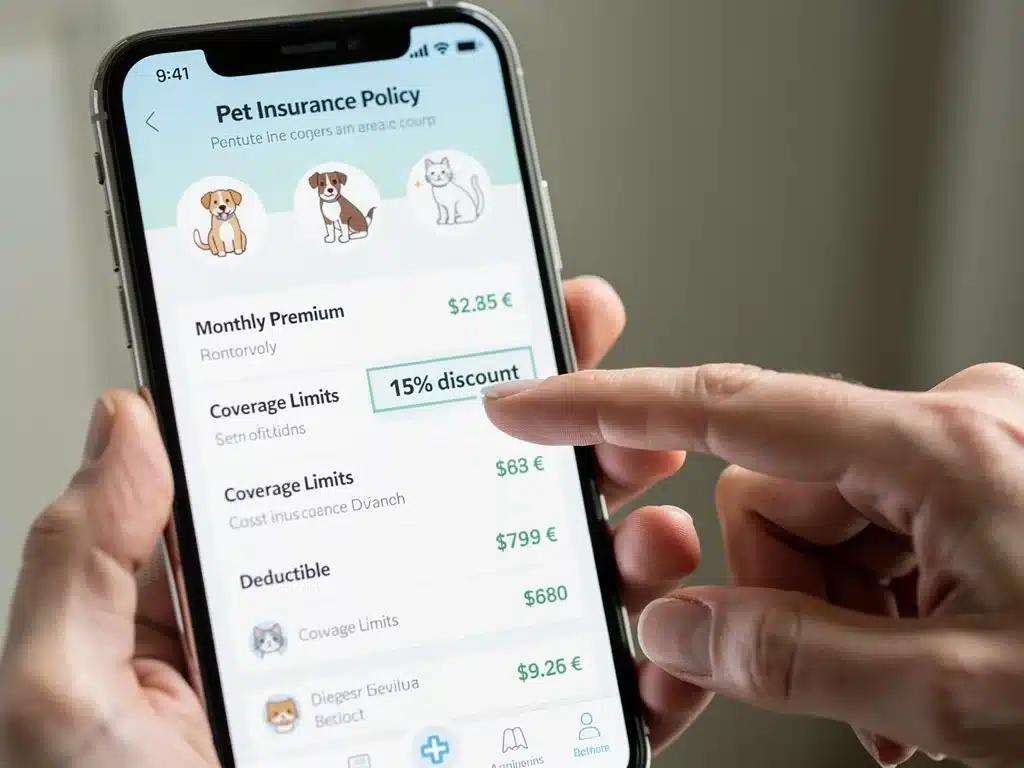
The proposed 15% premium reduction is a critical factor driving the appeal of pet insurance as an employee benefit. This discount can make a substantial difference in affordability for many pet owners.
For employees, a 15% reduction can translate into significant annual savings, making comprehensive pet care more accessible without straining personal budgets. This directly addresses one of the primary barriers to pet insurance adoption: cost.
From an employer’s perspective, offering such a compelling discount demonstrates a tangible commitment to employee well-being and financial security, fostering a positive work environment and enhancing recruitment efforts.
Employer Cost-Benefit Analysis for 2026
Evaluating the financial impact of offering pet insurance requires a careful cost-benefit analysis for employers. While there’s an initial investment, the long-term gains in employee satisfaction and retention can outweigh the expenses.
Many insurance providers offer group rates and administrative support, simplifying the implementation process for companies. The 15% premium reduction often comes from these group discounts, making it a win-win for both parties.
Anúncios
According to a recent report by the Society for Human Resource Management (SHRM), companies offering pet insurance report higher employee engagement and lower turnover rates, suggesting a strong return on investment.
Employee Perception and Value Proposition
- Financial Relief: The 15% premium reduction directly lowers out-of-pocket costs for pet owners, making emergency and routine veterinary care more manageable.
- Peace of Mind: Knowing their pets are covered reduces financial stress associated with unexpected medical bills, allowing employees to focus better at work.
- Enhanced Loyalty: Employees feel valued when their employer supports their personal lives, including their beloved pets, fostering stronger commitment to the company.
The value proposition for employees extends beyond mere financial savings. It encompasses emotional well-being and a sense of belonging within a supportive corporate culture.
Market Trends and Adoption Rates for Pet Insurance
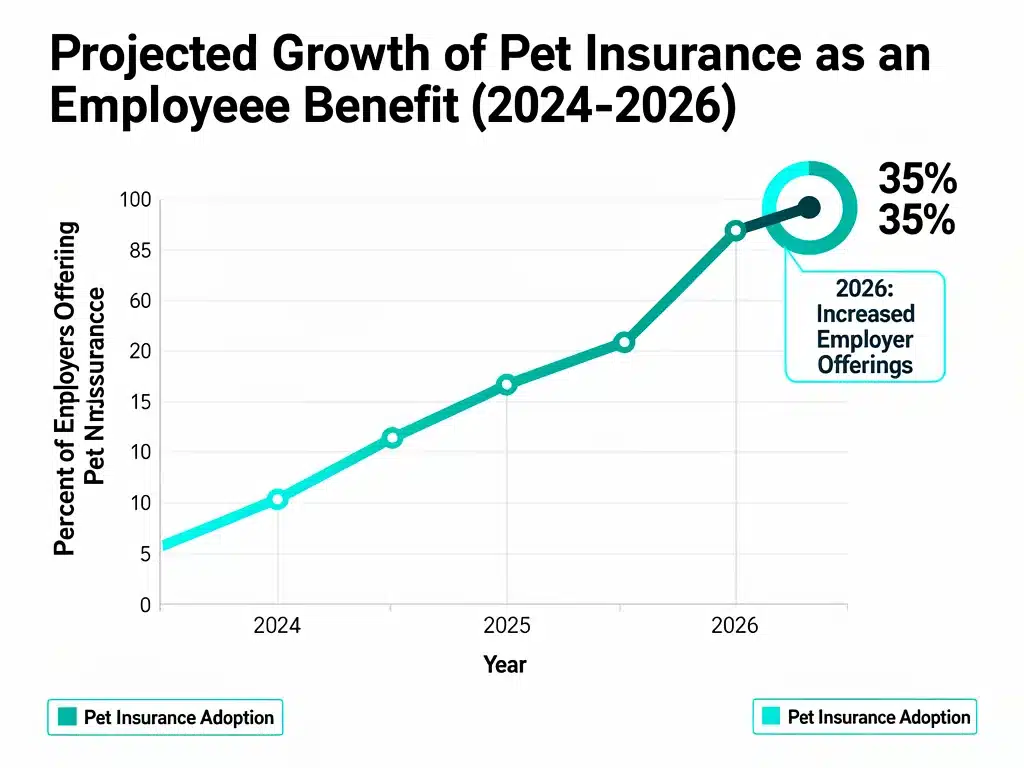
The pet insurance market has seen consistent growth, with increasing numbers of pet owners seeking protection against rising veterinary costs. This trend is influencing corporate benefits strategies.
Projections for 2026 indicate a continued upward trajectory in pet insurance enrollment, particularly as younger generations, who often view pets as family members, enter the workforce.
Their expectations for comprehensive benefits are shaping market demand.
As reported by the North American Pet Health Insurance Association (NAPHIA), the number of insured pets in the U.S. has been growing at a double-digit rate annually, signaling a robust market for employer-sponsored plans.
Competitive Advantage in Talent Acquisition
In a tight labor market, offering unique and desirable benefits like pet insurance can provide a significant competitive edge. Companies are leveraging these perks to attract top talent.
For job seekers, a comprehensive benefits package that includes pet insurance can differentiate one employer from another, especially when other compensation factors are similar.
This is particularly true for roles where retaining skilled individuals is crucial.
Companies that proactively address employee needs, including those related to pet ownership, are often perceived as more progressive and employee-centric, enhancing their brand reputation.
Implementation Challenges and Considerations
While the benefits are clear, implementing a pet insurance program as an employee benefit comes with its own set of challenges. Employers must navigate various administrative and communication hurdles.
Selecting the right insurance provider, understanding policy options, and effectively communicating the benefit to employees are crucial steps. Ensuring that the 15% premium reduction is clearly understood and accessible is paramount.
According to HR consulting firms, companies should conduct thorough research and potentially survey employees to tailor the offering to their specific needs and preferences.
Administrative Burden and Solutions
- Provider Selection: Researching multiple pet insurance carriers to find one that offers competitive rates, comprehensive coverage, and robust customer service.
- Enrollment Process: Streamlining the enrollment process to make it easy for employees to sign up and understand their options, especially regarding the 15% premium reduction.
- Ongoing Management: Partnering with a provider that offers strong administrative support to reduce the burden on HR departments, including claims processing and policy inquiries.
Addressing these administrative aspects effectively ensures a smooth rollout and positive experience for both the employer and employees.
The Impact on Employee Retention and Engagement
Employee retention and engagement are paramount for organizational success, and benefits like pet insurance play a significant role. Happy and supported employees are more likely to stay with their current employer.
When employees feel their employer cares about their overall well-being, including their pets, it fosters a stronger sense of loyalty and commitment. This emotional connection can reduce turnover costs and improve productivity.
The offering of Pet Insurance as an Employee Benefit in 2026: Is It Worth the 15% Premium Reduction? contributes to a holistic approach to employee welfare, strengthening the bond between employees and their workplace.
Measuring Return on Investment (ROI)
Quantifying the ROI of a benefit like pet insurance can be complex but is essential for justifying the investment. Metrics such as employee retention rates, absenteeism, and overall job satisfaction can provide valuable insights.
While direct financial returns may not always be immediately apparent, the indirect benefits of a healthier, happier, and more stable workforce contribute significantly to a company’s bottom line.
Reduced recruitment and training costs are tangible advantages.
Companies should establish clear metrics and regularly assess the impact of their benefits programs to ensure they align with strategic objectives and employee needs.
Future Outlook: Pet Insurance as a Standard Benefit
Looking ahead to 2026 and beyond, pet insurance is poised to transition from an emerging perk to a standard component of comprehensive employee benefits packages. The drivers for this shift are strong and persistent.
As pet ownership continues to rise and the cost of veterinary care escalates, the demand for affordable pet insurance will only intensify. Employers who recognize this trend early will be better positioned to attract and retain talent.
The question of Pet Insurance as an Employee Benefit in 2026: Is It Worth the 15% Premium Reduction? is increasingly becoming a rhetorical one, as the evidence points towards its growing necessity.
| Key Point | Brief Description |
|---|---|
| Premium Reduction | 15% discount makes pet insurance more accessible and attractive to employees. |
| Employee Value | Boosts morale, reduces financial stress, and enhances loyalty among pet-owning staff. |
| Employer Benefits | Improves talent acquisition, retention, and fosters a positive corporate culture. |
| Market Growth | Continued increase in pet ownership and veterinary costs drives demand for this benefit. |
Frequently Asked Questions About Pet Insurance as an Employee Benefit
The primary advantage is enhanced employee satisfaction and retention. By offering pet insurance, especially with a 15% premium reduction, companies demonstrate care for their employees’ full lives, including their pets. This fosters loyalty and can significantly improve recruitment efforts in a competitive job market.
The 15% premium reduction makes pet insurance more affordable and accessible for employees. This discount can lead to significant annual savings, easing the financial burden of unexpected veterinary expenses. It provides peace of mind, allowing employees to prioritize their pet’s health without undue financial stress.
Employer costs vary depending on the chosen plan and provider, but many companies find that group rates make it a feasible option. Often, the employer facilitates access to the benefit, and employees pay the premiums, sometimes with a partial employer contribution. The 15% reduction is typically part of a group discount arrangement.
Industry trends and expert projections suggest that pet insurance is rapidly moving towards becoming a standard employee benefit by 2026. The increasing recognition of pets as family members and the rising costs of veterinary care are driving this demand, making it an essential offering for competitive employers.
Companies can measure ROI by tracking employee retention rates, absenteeism, and overall job satisfaction through surveys. While direct financial returns might be indirect, reduced turnover costs, improved morale, and enhanced employer branding contribute significantly to the overall value proposition of offering Pet Insurance as an Employee Benefit in 2026: Is It Worth the 15% Premium Reduction?.
Perspectives for Employers and Employees
The discussion around Pet Insurance as an Employee Benefit in 2026: Is It Worth the 15% Premium Reduction? highlights a significant shift in corporate benefits philosophy.
It underscores the growing importance of holistic employee well-being, extending to their beloved animal companions.
For employers, embracing this trend means staying competitive in the talent market and fostering a culture of care and support.
To explore how companies are structuring these programs effectively, check out Nava Benefits’ Complete Guide to Pet Insurance as an Employee Benefit. For employees, it represents tangible financial relief and peace of mind regarding their pets’ health.
Monitoring the evolving landscape of employee benefits and proactively adapting to these changes will be crucial for companies aiming to thrive in 2026 and beyond, making this benefit a key consideration for future planning.